
Featured
From Farmhouse to Brewhouse: Saison
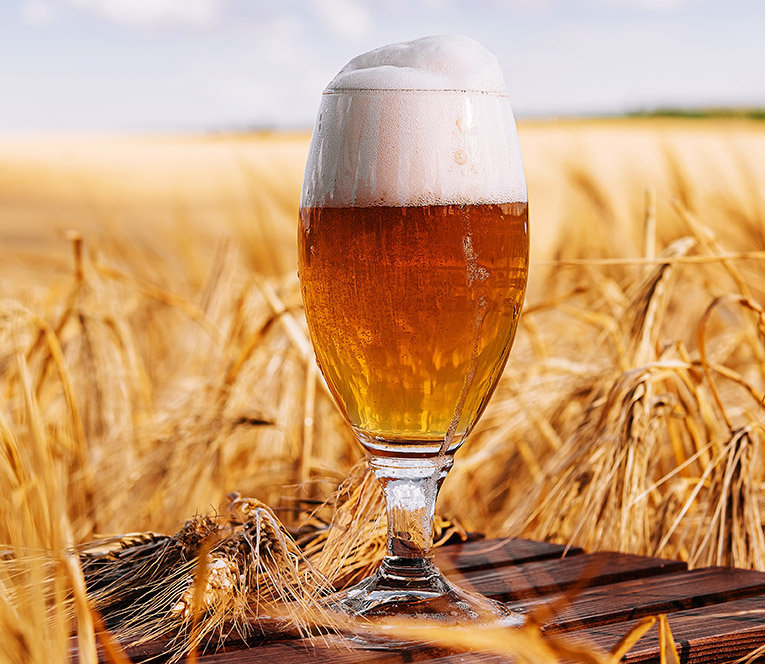
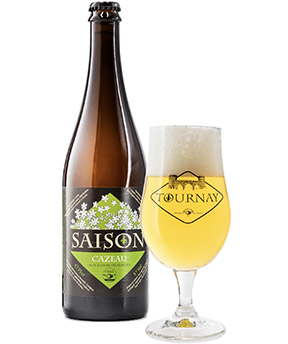
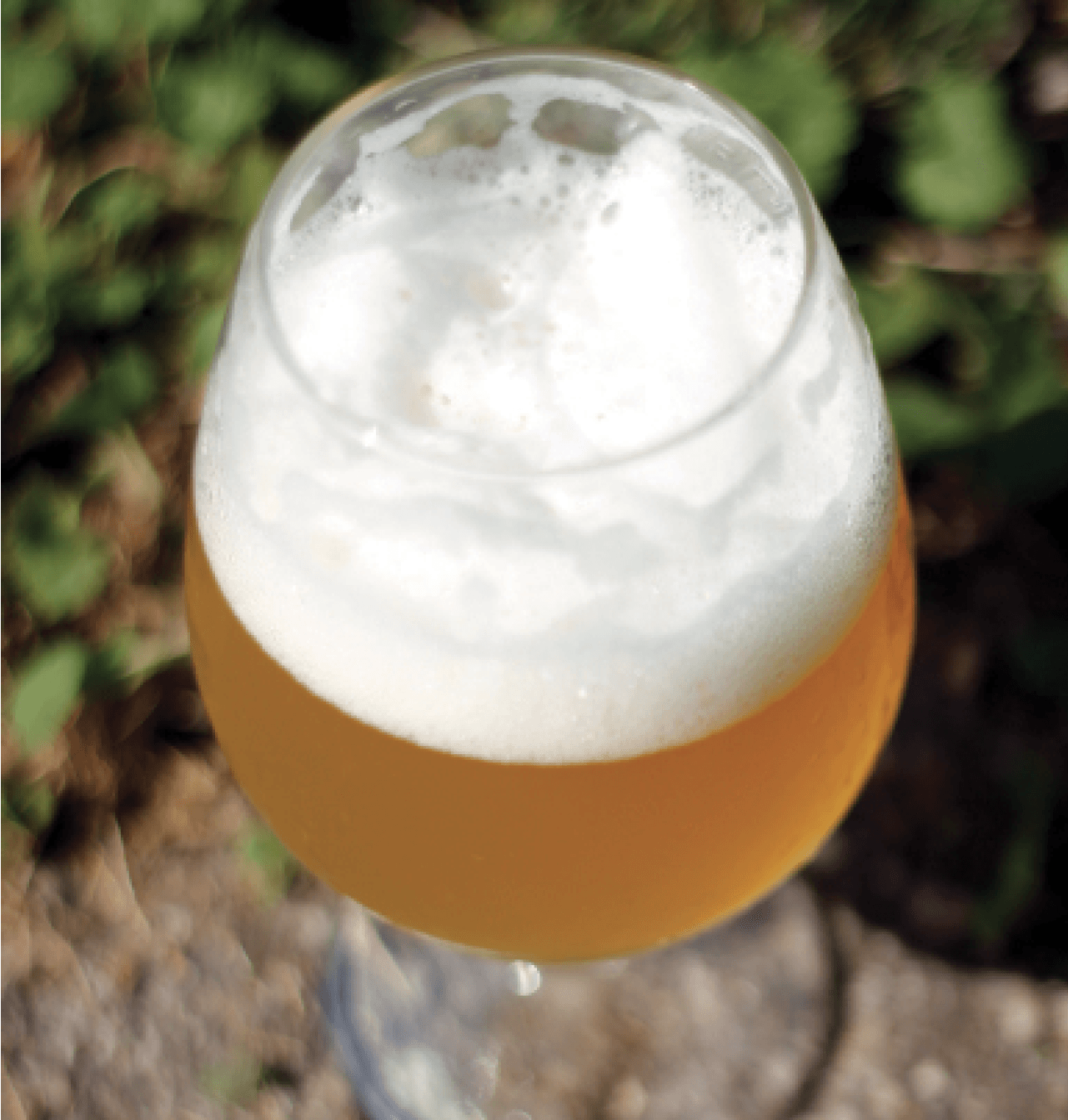
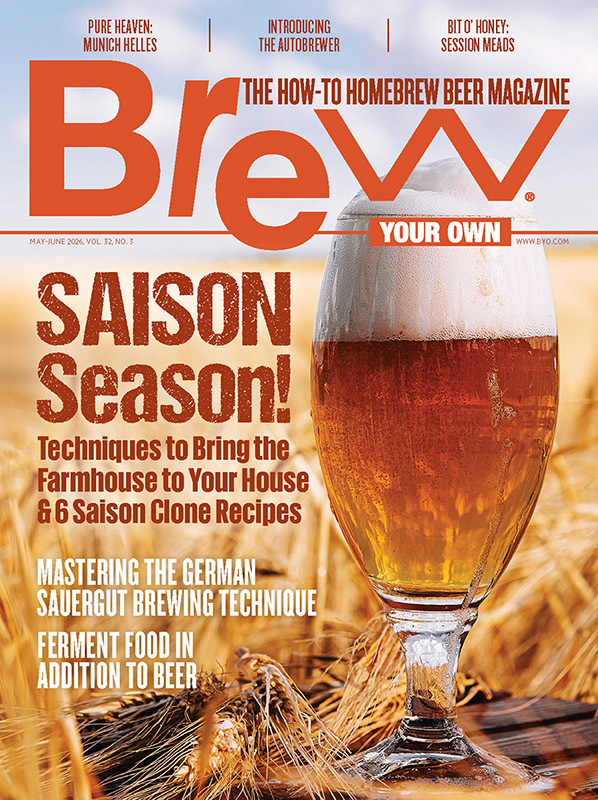
Saison is a beer style that is hard to pin down. It can be brewed with different ingredients, vary in color, be sour or not, and there are many yeast strains recommended for the style. Though they have commonalities from complexity, flavors of spice and earth, and finishing extremely dry with lots of carbonation. Drew Beechum explores what makes a saison a saison and, more importantly, how to brew a great one.
Latest From BYO
 article
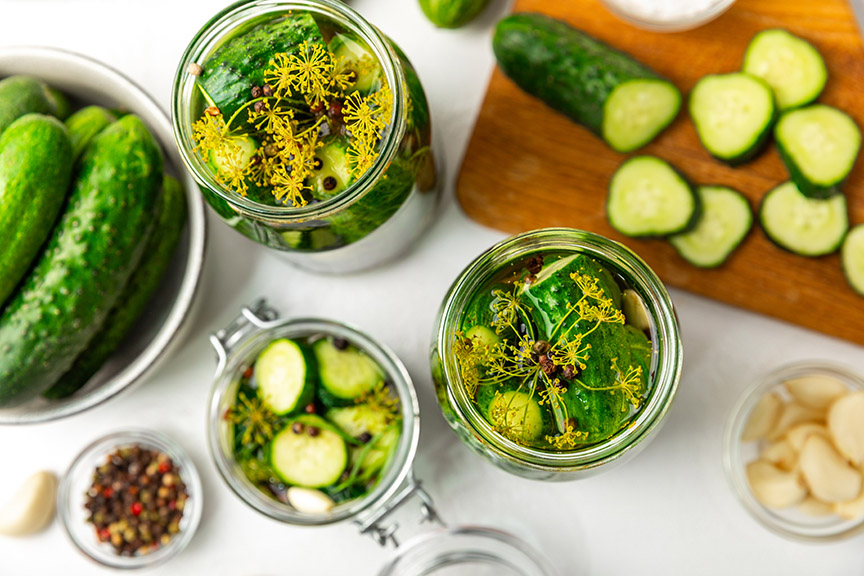
Ferment What You Eat
 article
Brewing Hydromel Meads
 article
Helles: Munich’s Pale Lager
 article
Logboat Brewing Co.
 article
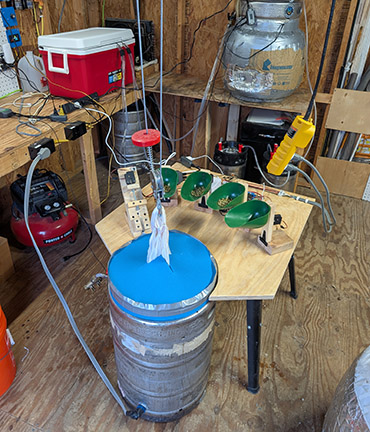
The AutoBrewer
 article
Discovering Yeast in Paradise
 article
Adjust pH with Sauergut
recipe
Blueberry Lemon Hydromel
 recipe
Base Hydromel
 recipe
Fermented Sauerkraut
 recipe
Table Saison Recipe
 recipe
Tripel Saison Recipe
 recipe
Hoppy Saison Recipe
article
Ferment What You Eat
article
Brewing Hydromel Meads
article
Helles: Munich’s Pale Lager
article
Logboat Brewing Co.
article
The AutoBrewer
article
Discovering Yeast in Paradise
article
Adjust pH with Sauergut
 article
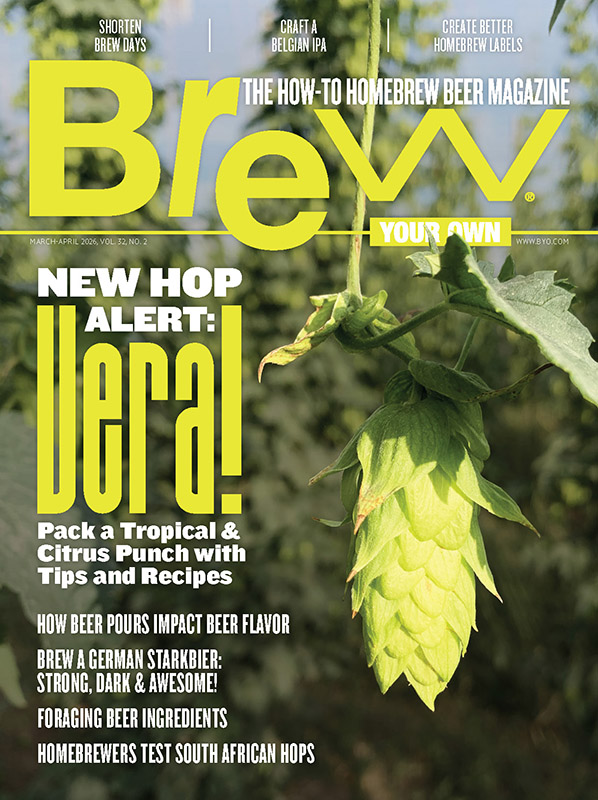
Vera-palooza
 article
Designing Homebrew Labels
 article
Rescue Brews
 article
Starkbierfest
 article
Belgian IPA
 article
Shortening Brew Days
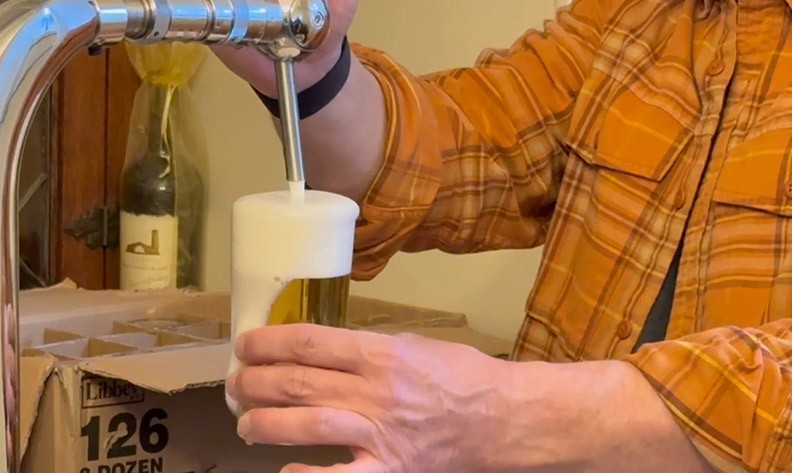 article
Pouring for Flavor
 article
How Far We’ve Come
 article
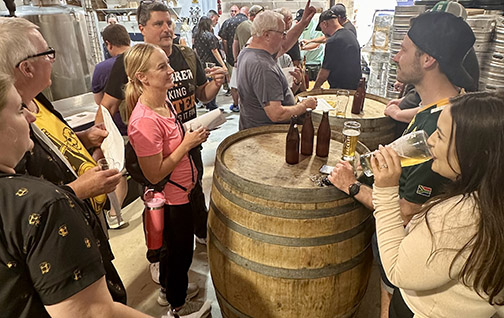
Wandering Monsters Brewing Co.
 article
South African Hops Showdown
 recipe
Blueberry Lemon Hydromel
recipe
Base Hydromel
recipe
Fermented Sauerkraut
recipe
Table Saison Recipe
recipe
Tripel Saison Recipe
recipe
Hoppy Saison Recipe
 recipe
Summer Saison Recipe
 recipe
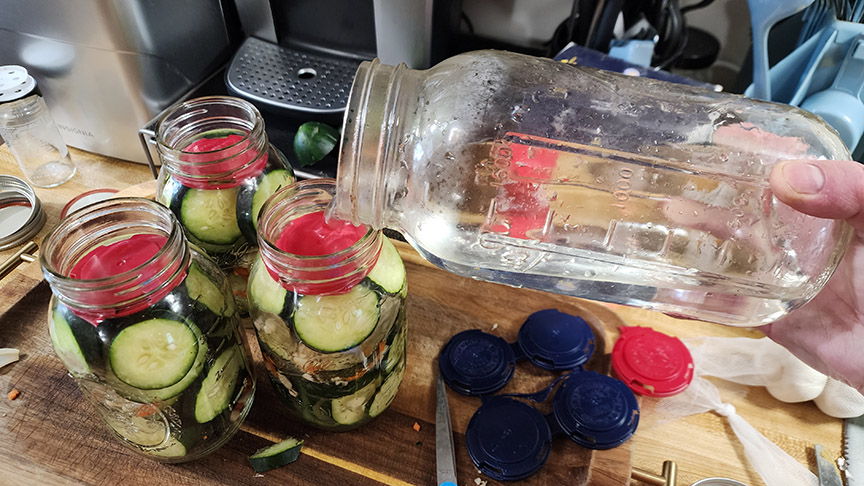
Fermented Pickles Recipe
 recipe
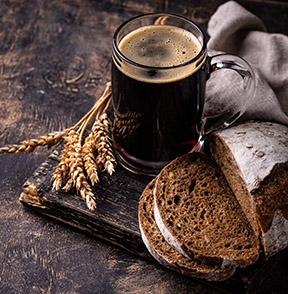
Bakery Loop Brown Ale
 recipe
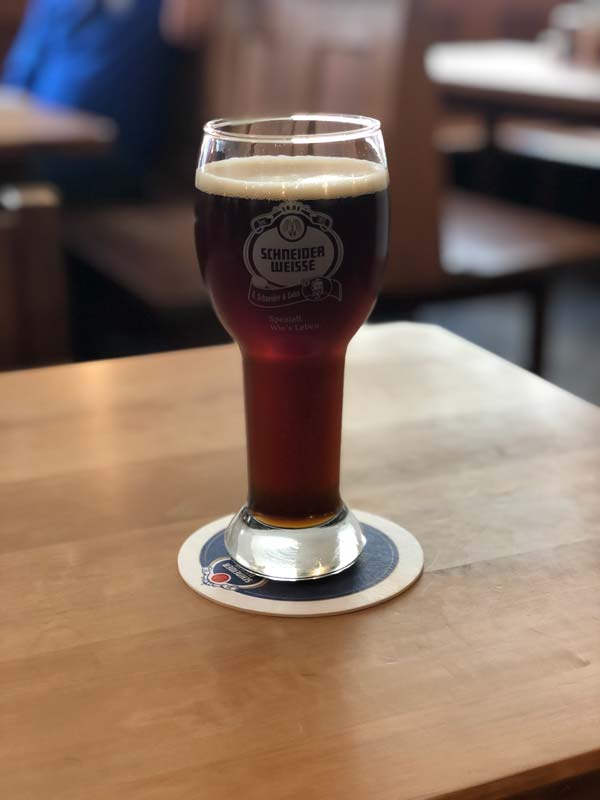
Starkbier Doppelbock Dunkel
 recipe
Starkbier Doppelbock
 video
video
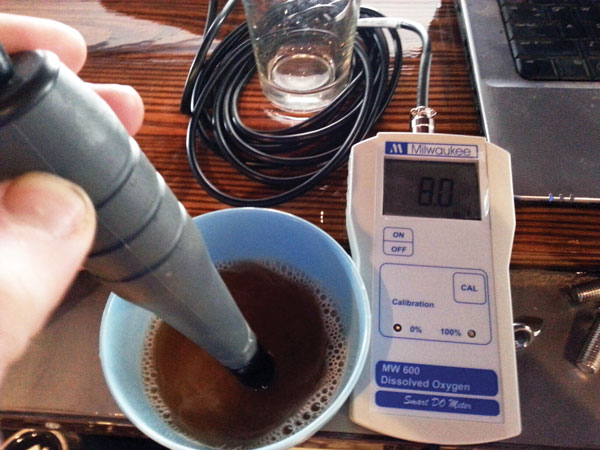
Dissolved Oxygen
 video
video
Using a Refractometer
 video
video
Role of pH in Brewing
 video
video
Low Alcohol Brewing
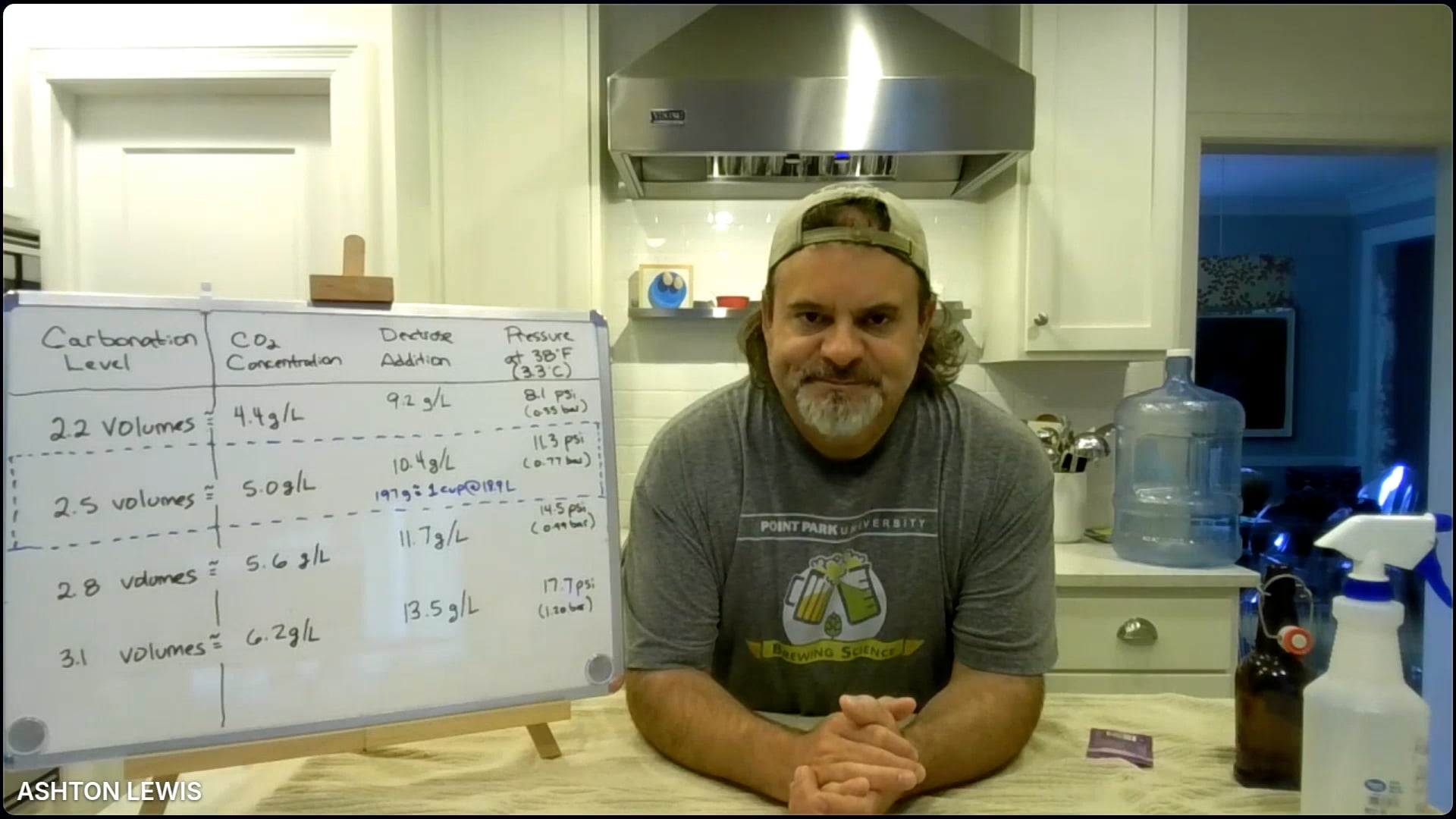
video
High Gravity Brewing

 video
video
Improving Beer Foam
 video
video
Kettle Finings
 video
video
Make Your Own Kimchi
 video
video
Cereal Mashing
 video
video
Yeast Nutrients
 video
video
Brewing Enzymes
 video
video
Brewing Helles
 troubleshooting
Shortening Brew Days
 troubleshooting
Go Big!
 troubleshooting
Souring Sources, Calculating Carbs, & Storing Hops
 troubleshooting
Hopping for Bitterness
 troubleshooting
Advanced Dry Hopping Tips, Techniques, & Traps
 troubleshooting
Measuring/Hitting FG, System Designs, & Temp Impact on pH
 troubleshooting
Pouring Nitro Beer, Dip Hopping & Lagering Temperatures
 troubleshooting
Brewing with Fonio, Subbing DME for LME, & Dip Hopping
 troubleshooting
Pro Tips for Brewing Barleywine
 troubleshooting
The Beer That Drinks Like a Wine
 troubleshooting
Stressing Yeast, Dough Balls, & Remote Brewing
 troubleshooting
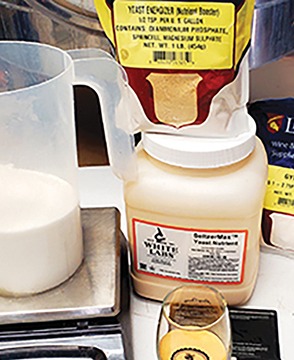
Yeast Nutrients, Dry Hop Oxidation & Low-ABV Beers
 troubleshooting
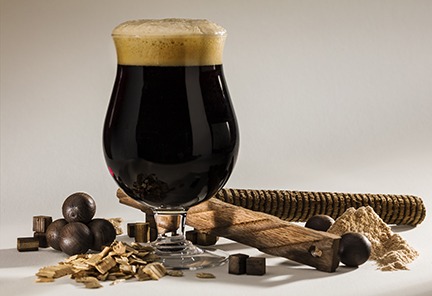
Dip Hopping Techniques
 troubleshooting
Using Barrel Alternatives
 troubleshooting
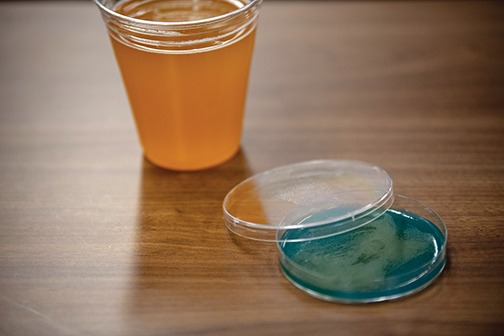
Yeast Slants, Candi Sugar, & Cold Crashing
 troubleshooting
Protein Rests, Freeze-Drying Yeast, & Simplifying Homebrewing
 troubleshooting
Pilsners of the World

 troubleshooting
Scavenging Oxygen, a Propane Heating System, and Water Chemistry
 troubleshooting
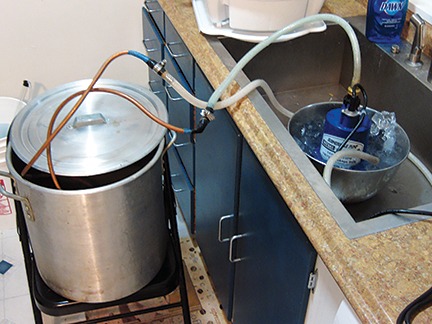
Wort Chilling Advice

 troubleshooting
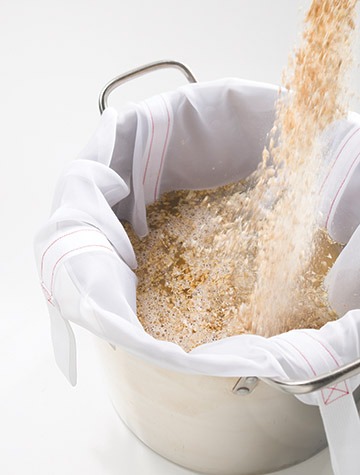
It’s in the Bag
 troubleshooting
A Synergy of Opposites
Become a Member
Get Better Brewing Knowledge
BYO has 2 membership plans with plenty of content to help you brew your own great beer, including:
- Over 3,250 articles covering every aspect of the brewing process
- More than 1,500 tested recipes
- Videos on brewing techniques, strategies, and workshops
- Real-time monthly live video chats with brewing experts

Learn From The Experts
Exclusive Videos
BYO+ and Nano+ members can access several replays of our featured homebrewing workshops and shorter brewing videos, including workshops from our exclusive BYO Boot Camps.
